

 |
How does alli® work?
As part of an overall weight loss program, alli works in conjunction with behavior modification to achieve a calorie balance that is both nutritionally sound and conducive to weight reduction.
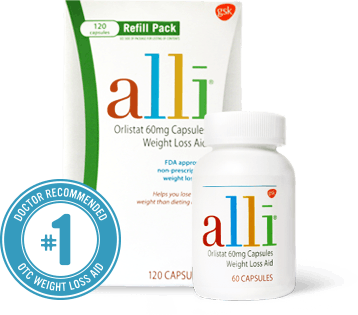
alli is the only OTC drug for weight loss that is FDA approved. It has a non-systemic mechanism of action. The unique molecular structure of alli enables it to bind to and inactivate some GI lipases, which aid in the digestion of dietary fats (triglycerides). alli binds to gastric and pancreatic lipases, blocking absorption of about 25% of consumed fat. Undigested fat is excreted from the body instead of turning into stored fat. The absorption of carbohydrates and proteins is not affected. alli is not an appetite suppressant nor does it impact the heart or nervous system. It is minimally absorbed, and there is no residual effect once the drug is stopped.
back to top |
 |
Who is the ideal candidate for alli?
Ideal candidates are individuals who are overweight and are motivated and ready to make lifestyle changes. They have realistic expectations for gradual, modest weight loss. These individuals are committed to a reduced-calorie, low-fat diet (no more than 15 grams of fat per meal) and eating smaller portions. An ideal candidate for alli will read and follow the label directions. They understand that treatment effects (loose or more frequent stools that may be hard to control, an urgent need to go to the bathroom, gas with oily spotting) can occur if they eat too much fat in a meal while taking alli. Lastly, these individuals will make the time to be more physically active.
back to top |
 |
How is alli different from other weight loss products available?
alli is the only FDA approved, over-the-counter weight loss product. It combines a pill (alli 60 mg orlistat) with an individually tailored, online action plan based on sound clinical practices and designed by nutritional and weight loss experts. alli can help an individual achieve gradual and healthy weight loss and lose 50% more weight than dieting alone. It works in the digestive system, not the central nervous system, so it does not affect the heart or brain. Orlistat has an extensive clinical history and has been studied in more than 100 controlled clinical trials. Additionally, orlistat has been used in more than 25 million patient treatments in 145 countries worldwide.
back to top |
 |
I remember the difficulties with prescription Xenical®; how will the experience with over-the-counter alli be different?
Behavior Support programs are part of the foundation for successful weight loss. Xenical® provided a separate support program for patients known as Xenicare, which, at the time, was considered a comprehensive plan. But a lot has changed since the introduction of Xenical®, including consumer expectations, healthcare professional involvement within the weight loss category and consumer information utilization, namely, the sophistication of the Internet user. Applying learnings from Xenicare, our insights from consumers & healthcare professionals, and our understanding of current Internet usage, we have developed the alli support program, called myalliplan™. The myalliplan is an individually tailored support plan based on sound clinical practices and designed by nutrition and weight loss experts. It is free with the purchase of alli. The myalliplan.com is an extremely comprehensive online support program, including personalized online pages to view goals, check-ins with individualized feedback and advice, continuous follow-up and weekly monitoring, personalized emails on eating right/meal planning, guidance on treatment effects, online journal, menus and shopping lists, direct advice from clinical experts and a connection to a community of other alli users. Research indicates that those who receive one-on-one counseling or online support may have a long-term advantage in successfully losing weight.
alli is different than Xenical® because it offers informational materials with the actual product. The alli starter pack includes over 200 pages of free in-pack materials to help guide individuals through the alli program and set expectations for gradual weight loss, help them make healthy eating choices, monitor daily diets, and manage treatment effects. Eighty percent of patients found these materials to be very helpful. Overall, the alli program offers unprecedented support and resources designed to help modify behavior by creating self-assessment and self-management skills. Assuming personal responsibility is integral to achieving sustainable weight loss.
Another difference when comparing alli to Xenical® is the manageability and tolerability of GI events. In clinical studies, the 60-mg capsule of alli demonstrated comparable efficacy and safety profiles to the 120-mg prescription capsule, but had a lower incidence of treatment effects, compared with the 120-mg dosage. Only a small percentage of trial subjects withdrew due to GI-AEs (5.4% on 120mg compared to only 3.2% on 60mg), further reinforcing the tolerability of the 60-mg dose. After 90 days of using alli, 81% of study participants reported being satisfied or very satisfied with orlistat and 91% reported losing weight. In addition, alli will tell consumers and HCPs alike that the likelihood of treatment effects is greater if individuals aren’t committed to following a reduced-calorie, low-fat diet (no more than 15 grams of fat per meal) and eating smaller portions.
Learning from experience and developing self-assessment and self-improvement skills are the cornerstones of the alli program. alli is not a program for everyone; without a commitment to adopting healthy habits, patients will not achieve their weight loss goals.
back to top |